


Stress Regulation, Nervous System Balance & Emotional Stability
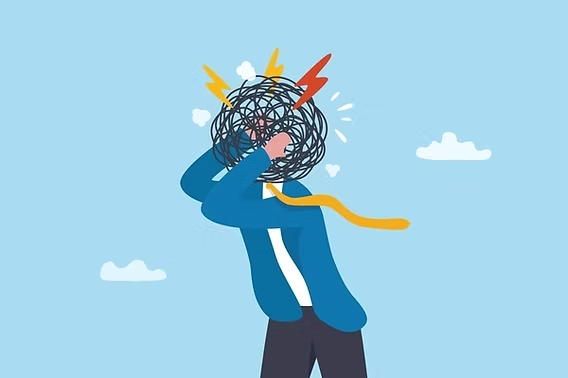
Human stress response is not a purely psychological phenomenon but a deeply embedded biological regulation system governed primarily by the autonomic nervous system and its interaction with endocrine and cognitive appraisal mechanisms. This system continuously interprets environmental and internal signals to determine whether the organism should enter a state of activation or recovery. In modern environments characterized by constant digital stimulation, emotional pressure, and fragmented attention cycles, this regulatory system is frequently pushed beyond its adaptive range, resulting in prolonged activation states that do not naturally resolve through standard recovery cycles.
Over extended periods, this persistent imbalance begins to affect multiple interconnected physiological and cognitive domains, including emotional stability, attentional control, sleep architecture, digestive efficiency, and overall systemic resilience. Rather than functioning as an isolated emotional response, stress becomes a baseline regulatory condition that subtly reshapes how the body allocates energy and processes information. Within the SimpleHealingSolutions framework, stress is therefore understood as a full-system regulatory pattern that influences both physiological and psychological functioning simultaneously, rather than a standalone mental experience.
Nervous System Regulation Mechanism
The autonomic nervous system operates through two primary and continuously interacting states: sympathetic activation and parasympathetic recovery. The sympathetic branch prepares the organism for action, mobilization, and environmental response, while the parasympathetic branch supports restoration, digestion, cellular repair, and metabolic stabilization. Under balanced conditions, these two systems alternate fluidly based on situational demands, allowing the body to respond efficiently to challenges while maintaining internal equilibrium and recovery capacity.
Chronic stress disrupts this regulatory alternation by biasing the system toward sustained sympathetic dominance, which reduces the efficiency and frequency of parasympathetic recovery activation. As a result, the body remains in a prolonged state of partial activation even in the absence of immediate external threat, leading to physiological fatigue, increased emotional sensitivity, disrupted breathing patterns, reduced cognitive clarity, and diminished stress recovery capacity. Over time, this creates a rigid regulatory state where the system loses flexibility in transitioning between activation and restoration modes.

Stability is not the absence of stress, but the ability of the system to recover from it efficiently.
Emotional Processing and Internal Load
Emotional experiences are not isolated mental events but multi-layered biological processes distributed across neural, hormonal, and autonomic systems that continuously interact to maintain internal regulation. Every emotional response carries both cognitive interpretation and physiological activation, meaning emotions exist simultaneously as thought patterns and bodily states. When these experiences are processed fully, they are integrated through adaptive feedback loops that restore internal equilibrium. However, when emotional responses are suppressed, avoided, or left unresolved, they remain partially active within regulatory systems, forming a persistent internal load that continues influencing attention, behavior, and somatic tension patterns over time.
As this internal load accumulates, it begins to occupy regulatory capacity that would normally be used for cognitive flexibility, emotional adaptability, and decision-making efficiency. The nervous system must continuously allocate resources toward managing unresolved emotional signals, which reduces overall processing efficiency across both psychological and physiological domains. This leads to gradual reductions in mental clarity, increased sensitivity to external stimuli, and a narrowing of emotional range. Over time, even minor stressors can produce amplified responses due to reduced internal buffering capacity within the system.
Systemic Impact of Chronic Stress
Chronic stress is best understood as a systemic regulatory condition rather than a temporary psychological response, involving continuous activation of interconnected biological systems including the autonomic nervous system, hormonal signaling pathways, immune response networks, and metabolic regulation processes. When stress exposure becomes prolonged or repetitive without adequate recovery cycles, these systems shift from adaptive responsiveness into persistent activation states, altering hormonal rhythms, inflammatory signaling thresholds, and energy distribution patterns across multiple organ systems.
Over time, this sustained activation reduces the efficiency of recovery mechanisms, meaning the body requires progressively longer periods to return to baseline stability after stress exposure. This inefficiency does not remain localized but spreads across multiple systems, influencing cognitive resilience, emotional stability, metabolic regulation, and immune responsiveness. The result is a compounding decline in overall system adaptability, where each additional stressor produces a stronger and longer-lasting physiological impact than it would in a balanced regulatory state.
Restoration Through Structured Regulation
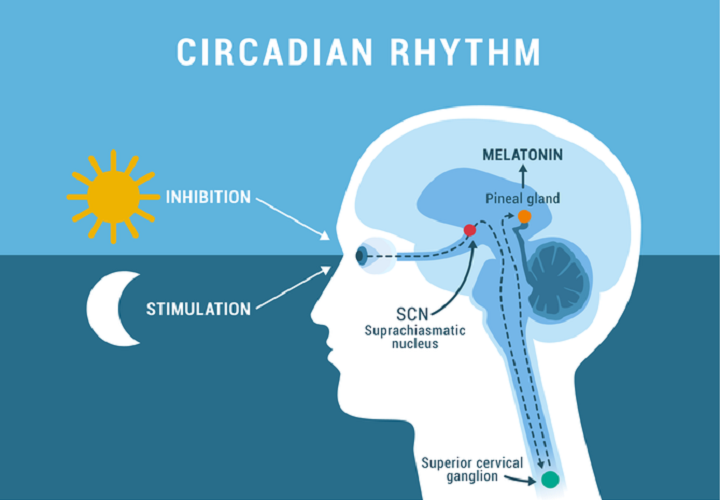
Restoration of internal balance requires consistent exposure to conditions that signal safety, predictability, and stability to the nervous system, allowing gradual recalibration of baseline regulatory function. This includes practices such as controlled breathing, structured rest cycles, circadian rhythm alignment, environmental simplification, and reduction of cognitive overload. These inputs are not isolated interventions but reinforcing signals that collectively guide the system back toward regulated physiological function over time.
Within the SimpleHealingSolutions framework, emphasis is placed on building structured, sustainable routines that integrate into daily life without increasing cognitive burden or behavioral complexity. The goal is not rapid correction but progressive system reorganization through repetition and environmental consistency. Over time, this allows the nervous system to transition away from reactive stress-based patterns and move toward a more stable baseline characterized by improved emotional regulation, cognitive clarity, and physiological resilience.
Conclusion
Stress and emotional imbalance are not isolated psychological events but expressions of deeper systemic regulation within the human nervous system. When viewed through a biological and systems-based lens, it becomes clear that emotional instability, cognitive fatigue, and physical exhaustion are interconnected outcomes of prolonged autonomic dysregulation. This means that sustainable improvement cannot come from surface-level coping strategies alone, but must involve restructuring the underlying conditions that shape how the nervous system responds to daily demands.
Long-term resilience emerges when the body is repeatedly guided back into states of safety, recovery, and internal coherence through consistent behavioral patterns and environmental stability. Over time, these repeated signals allow the nervous system to recalibrate its baseline, improving emotional flexibility, cognitive clarity, and physiological efficiency. Within the SimpleHealingSolutions framework, the focus remains on structured, realistic, and integrative approaches that support gradual restoration rather than forced or temporary change. The goal is not to eliminate stress entirely, but to build a system capable of processing it without long-term disruption.
Leave a Reply