

Circadian Rhythm Alignment and Biological Time Coordination
Human physiology operates through an internal timing architecture known as the circadian system, which regulates sleep-wake cycles, hormonal activity, metabolic efficiency, and cognitive performance across a continuous 24-hour biological rhythm. This system is synchronized primarily through environmental signals such as natural light exposure, meal timing, temperature variation, and consistent behavioral routines. When these external cues remain stable, the body maintains an organized internal schedule that supports restorative sleep, balanced energy distribution, and efficient mental functioning throughout the day without unnecessary strain on adaptive systems.
In modern environments, this timing structure is frequently disrupted by irregular sleep schedules, prolonged exposure to artificial light during nighttime hours, inconsistent eating windows, and fragmented digital stimulation patterns. Over time, these disruptions weaken the alignment between internal biological timing and external environmental cycles, creating a condition where the body loses its ability to accurately predict daily physiological demands. This misalignment gradually affects sleep quality, hormonal rhythm stability, metabolic efficiency, and cognitive performance consistency across extended periods of daily function.
Biological Clock Coordination Mechanism
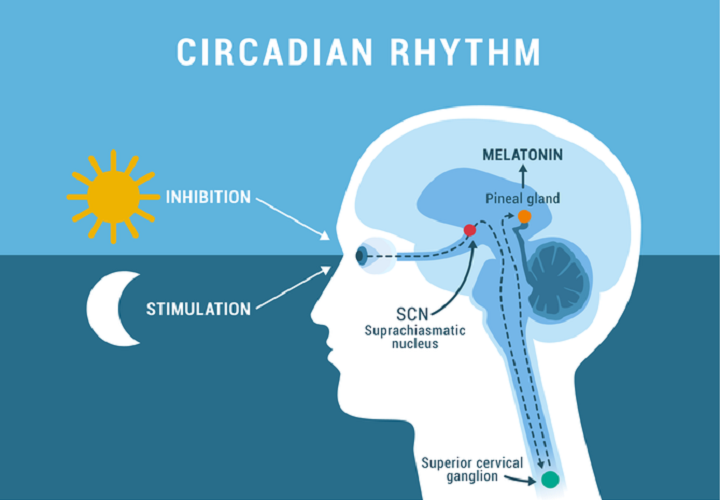
The circadian system is governed by a central timing structure located within the brain that functions as the primary coordinator of physiological rhythms throughout the entire body. This central control hub receives environmental light information and distributes timing signals to peripheral biological systems, ensuring that processes such as digestion, alertness, cellular repair, and energy metabolism occur at biologically optimal intervals. When environmental cues remain consistent, this coordination allows the organism to operate with predictive efficiency and reduced internal strain.
When environmental timing signals become inconsistent or fragmented, synchronization between central and peripheral biological clocks begins to deteriorate. This results in desynchronized physiological activity where sleep onset, energy peaks, and recovery cycles no longer follow optimal biological patterns. Over time, this leads to reduced metabolic adaptability, irregular energy availability, and diminished recovery efficiency, creating a state where the body must operate under increased internal demand to maintain basic functional stability.

Biological timing is the invisible framework that organizes all physiological processes into coherent daily function.
Metabolic and Hormonal Timing Disruption
Disruption of biological timing directly influences metabolic processes by altering the body’s ability to efficiently regulate glucose processing, insulin sensitivity, and energy utilization pathways. The human system depends on predictable timing patterns to coordinate digestion, nutrient absorption, and energy allocation across different phases of the day. When these patterns become inconsistent, metabolic processes lose synchronization, resulting in reduced energy efficiency and impaired metabolic flexibility over time.
Hormonal cycles are also deeply dependent on circadian alignment, particularly in the regulated secretion of cortisol, melatonin, growth hormone, and insulin. When these hormonal rhythms become irregular, individuals may experience fluctuating energy levels, inconsistent sleep quality, altered stress responsiveness, and unstable appetite regulation. Over extended periods, this hormonal imbalance contributes to broader systemic instability affecting both physical endurance and cognitive clarity in daily functioning.
Behavioral Anchoring and Rhythm Restoration
Restoring circadian alignment requires the reintroduction of consistent behavioral anchors that reinforce stable environmental signals for the nervous system. These anchors include maintaining fixed sleep and wake times, structured exposure to morning sunlight, consistent meal scheduling, and minimizing artificial light exposure during late evening hours. These repeated signals help retrain internal biological timing mechanisms by providing predictable environmental reference points that the body can gradually synchronize with over time.
Within the SimpleHealingSolutions framework, circadian restoration is approached as a gradual recalibration process rather than a rapid intervention. The focus is placed on building sustainable daily structures that support long-term biological synchronization without requiring excessive cognitive effort or rigid lifestyle constraints. Over time, this allows the body to re-establish coherent internal timing, improving sleep quality, metabolic efficiency, hormonal balance, and overall physiological stability.
Conclusion
Circadian rhythm disruption represents a breakdown in biological timing coordination rather than an isolated sleep-related issue. When internal timing systems lose alignment with external environmental cycles, multiple physiological domains begin to operate out of sync, affecting sleep, metabolism, hormonal regulation, and cognitive stability simultaneously. This creates a cascading effect that gradually reduces overall system efficiency and adaptive capacity.
Long-term recovery depends on the restoration of consistent temporal structure through repeated behavioral alignment with natural environmental rhythms. As these patterns stabilize, the body gradually recalibrates its internal timing systems, allowing for improved energy regulation, deeper restorative sleep, and enhanced cognitive clarity. Within the SimpleHealingSolutions model, this process is viewed as a foundational aspect of systemic health, where biological timing serves as the organizing framework for overall physiological balance.


Leave a Reply